
Enhancing Outdoor Spaces Through Improved Water Management
Efficient drainage and stable soil are crucial for maintaining a healthy landscape. Without them, your garden or yard can suffer from waterlogging and erosion, damaging plants and structures. One effective solution to these problems is using various landscaping techniques that incorporate hard materials. These methods help manage water flow and improve soil stability, ensuring long-lasting beauty and functionality for outdoor spaces. Let’s explore how you can benefit from these strategies.
The Role of Hard Structures in Landscaping
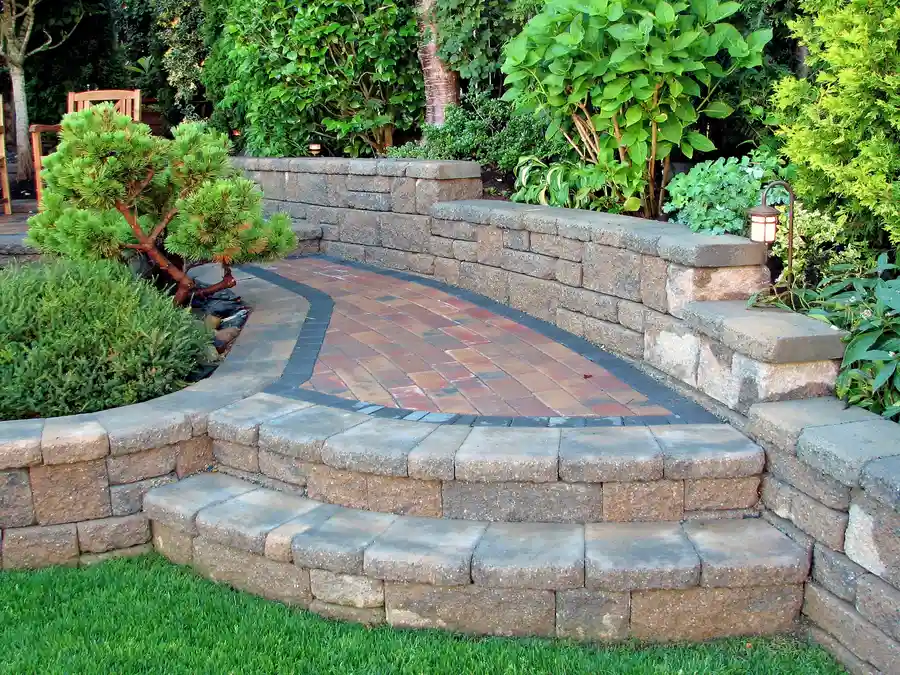
Hardscaping involves the use of solid materials such as stone, brick, or concrete in landscaping design. These elements can significantly change how water moves through an area. For example, pathways and patios direct water away from vulnerable areas, preventing pooling near foundations or plant beds. By carefully planning where these hard surfaces go, you can control runoff and avoid potential damage to your property.
Boosting Soil Integrity With Solid Elements
In addition to improving drainage, strategically placed hardscaping can also enhance soil stability. Retaining walls are a perfect example of this application. They hold back soil on slopes, reducing erosion and creating level planting areas. This not only safeguards your landscape but also increases usable space in hilly terrains. The durability of these structures ensures they stand firm against weather conditions, protecting your investment over time.

Common Problems in Landscape Drainage and Stability
Poor drainage and unstable soil are common issues faced by homeowners. When rainwater doesn’t drain properly, it can lead to saturated soil, root rot in plants, and even basement flooding. Erosion is another problem, as it gradually washes away soil, exposing roots and weakening plant support. These issues can be costly if not addressed promptly with thoughtful design solutions.
Implementing Solutions for Better Water Flow
To tackle drainage issues effectively, consider incorporating several practical solutions into your landscape design:
- Install French drains to redirect excess water
- Create dry creek beds for natural water flow paths
- Use permeable pavers to allow water infiltration
- Ensure proper slope away from buildings
- Utilize native plants that thrive in wet conditions
Best Practices for Maintaining Your Landscape
Regular maintenance is key to keeping your landscape both beautiful and functional. Clean gutters and downspouts to prevent overflow during heavy rains. Inspect retaining walls for signs of wear or damage annually. Additionally, ensure any drains remain clear of debris to promote efficient water movement. Partnering with landscaping professionals can also provide valuable insights tailored to your property’s specific needs.
Caring for Your Investment Over Time
Investing in quality materials and expert installation upfront can save you money in the long run by avoiding frequent repairs. Opt for durable options like natural stone or high-quality concrete products that resist weathering. Consider the return on investment: improved curb appeal, increased property value, and reduced risk of damage all contribute to overall benefits worth considering during planning stages.
Your Path to A Healthier Landscape
By integrating smart design choices and regular upkeep, you can enhance both the visual appeal and resilience of your outdoor spaces. Whether it’s directing water efficiently or stabilizing terrain through well-placed structures, these efforts ensure your garden thrives throughout every season. Located in Smithfield, NC, our team at Peewee Landscaping specializes in providing customized solutions designed to meet diverse environmental challenges. Call us today at (919) 756-0835 to discuss how we can assist with transforming your landscape!