
Understanding Challenges With Construction Projects
Retaining walls are crucial for managing soil erosion, creating garden terraces, or simply adding structure to a landscape. However, like any construction project, the process comes with its own set of challenges. From choosing the right materials to ensuring structural integrity, each step is vital. This guide delves into the common problems faced during retaining wall installation and offers practical solutions to address these issues effectively.
Importance of Proper Preparation
Before beginning the retaining wall installation, proper planning is essential. Ensuring that the area is suitable for such a structure is the first step. Conducting soil tests can prevent future problems related to soil stability. Choose an appropriate location, considering drainage needs, as water buildup behind walls can lead to pressure and eventual failure.
Selecting Suitable Materials
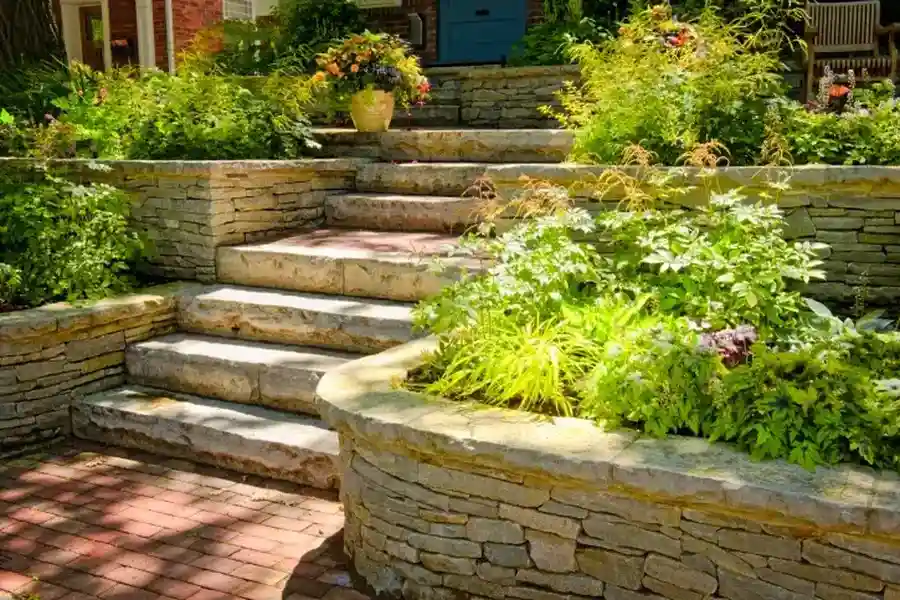
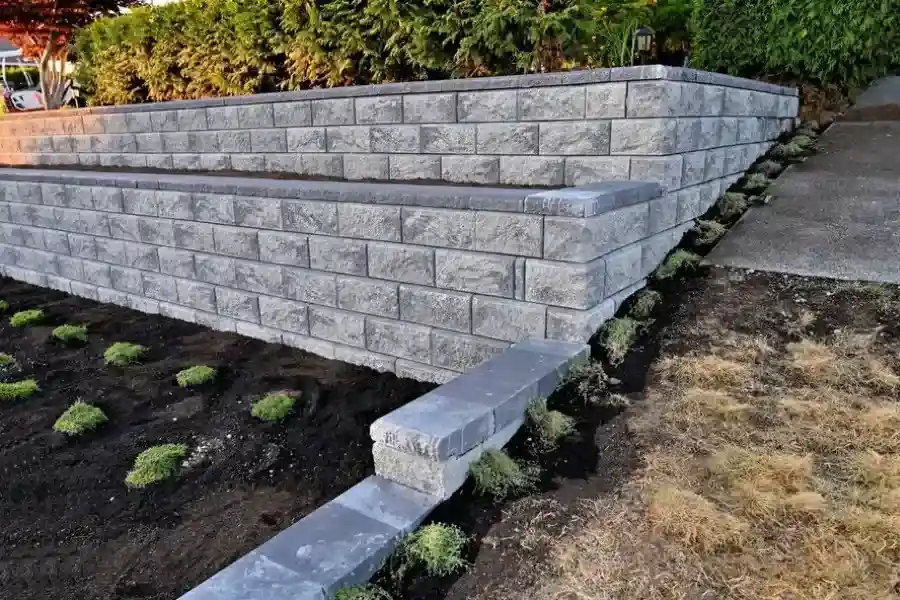
The success of retaining wall installation heavily depends on the choice of materials. Popular options include concrete blocks, bricks, and natural stones. Each material has its pros and cons. Concrete provides durability, while stones offer aesthetic appeal. Select materials based on budget, desired look, and environmental conditions.
Ensuring Structural Stability
A common issue in retaining wall projects is lack of structural stability. Walls must withstand significant lateral earth pressure. To avoid collapse, ensure proper base preparation by compacting the soil thoroughly. Incorporating geotextiles can provide additional support by stabilizing the soil layers.
Effective Drainage Solutions
Poor drainage is a leading cause of retaining wall failure. Water accumulation increases pressure against the wall, risking structural integrity. Install proper drainage systems such as perforated pipes or gravel backfills to redirect water away from the wall efficiently.
Addressing Soil Erosion Problems
Erosion can undermine a wall’s foundation over time. Prevent this by installing erosion control measures like vegetation or mulch on exposed surfaces. Consider terracing steep slopes for better management of run-off water, reducing erosion risks.
- Select appropriate construction materials for your specific environment
- Incorporate drainage systems to manage water flow
- Ensure regular maintenance checks post-installation
Regular Maintenance Practices
To prolong the lifespan of your retaining wall, conduct regular inspections and maintenance. Look for signs of wear such as cracks or movement in the wall structure. Early detection allows for timely repairs before issues escalate further.
Expert Recommendations for Long-Lasting Structures
Work with experienced professionals who understand the complexities involved in building retaining walls. They can provide insight into best practices and effective solutions tailored to your specific needs. By following expert guidance, you ensure a durable and functional structure.
Conclusion: Key Steps With Retaining Wall Success
Building a sturdy retaining wall requires careful consideration of various factors like material choice, drainage solutions, and regular maintenance. For those located in Smithfield, NC, reaching out to experts ensures that these elements come together seamlessly. Contact Peewee Landscaping at (919) 756-0835 for more information and professional assistance with your next project.